Introducing the New Food Pyramid
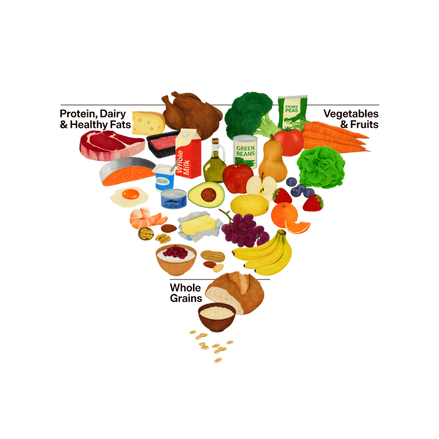
Recently, the FDA has introduced a new food pyramid to reflect the 2025-2030 Dietary Guidelines, which primarily emphasizes the intake of nutrient-rich whole foods. As a medical professional focused not only on helping his patients regain physical strength, but also promoting health as a proactive, holistic lifestyle through diet, supplementation, and exercise—Dr. Greenberg shares some of his thoughts on this information sparking curiosity and inspiration nationwide.
The updated food pyramid represents a meaningful shift toward helping the human body thrive through food. Unlike the traditional model that placed heavy emphasis on carbohydrates, the new pyramid prioritizes naturally-occurring proteins, healthy fats, and vegetables. This change aligns closely with dietary patterns that support long term health, disease prevention, and longevity. At Greenberg Regenerative Medicine, we see this as a step in the right direction. Dr. G shares,
“The new framework mirrors the Mediterranean diet, a way of eating consistently linked to lower rates of heart disease and improved overall health. Diets centered on lean proteins, vegetables, healthy fats, and minimally processed foods have been shown to support metabolic health and reduce inflammation, two key ways to help prevent chronic disease.”
Then vs. Now
The carbohydrate-heavy model of the old food pyramid likely was a primary contributor to the widespread overconsumption of refined grains and sugars in the United States. Diets ridden with high and refined carbohydrates are associated with increased risks of diabetes, cardiovascular disease, obesity, and certain cancers. Moving away from that structure is not just beneficial, it’s necessary.
Poor diet is also one of the largest contributors to rising healthcare costs. A significant portion of preventable chronic illness stems from nutrition choices made over time. When diet improves, the risk of major diseases decreases—letting healthcare costs follow. According to Dr. Greenberg, nutrition is one of the most powerful tools we have to improve both individual health and the healthcare system as a whole.
Yet, one of the most impactful aspects of this change is how it will influence government supported nutrition programs including school lunches. By emphasizing whole foods, protein, and vegetables, children have the opportunity to develop healthy eating habits early in life and set a foundation for patterns that will prevent disease and complications later in life.
Dr. Greenberg’s Recommendations
Dr. Greenberg shares some tips on how to shop smart when looking for optimal choices adherent to the new food pyramid at your grocery store. Overall, it’s important to remember that simplicity is a helpful guide. Choose foods with short ingredient lists, with ingredients names you recognize. Limit packaged and highly processed foods.
To stay energized and nourished while treating his patients, Dr. Greenberg ensures to eat three meals each day full of protein, nutrients, and healthy fats. Part of his sure-fire morning routine in addition to exercise includes eating nuts and blueberries for their fibrous, vitamin-rich, and antioxidant properties. Some of Dr. G’s favorites include cashews, Brazil nuts, macadamia nuts, and pecans, so he recommends incorporating these into your diet if you are not allergic, not just for their heart-healthy benefits but for their crunch and taste. Dr. Greenberg’s favorite dinner includes a combination of fish with vegetables, where he often opts for salmon, grouper, or branzino with a pairing of spinach, mushrooms, blistered tomatoes, or all three together!
When choosing to eat salad—while a great way to combine a variety of nutrients and fresh flavors into one meal—Dr. Greenberg mentions taking caution with dressing choices. While simple dressings made with healthy fats like olive oil and citrus fruits like lemon offer a natural and delicious enhancement to fresh veggies, many processed alternatives found in supermarkets can be full of high-oleic oils, hidden sugars like high fructose corn syrup, preservatives, and even artificial coloring.
Overall, the new food pyramid reflects what science and clinical experience have shown for years—that real food supports real healing. At Greenberg Regenerative Medicine, we believe nutrition is a cornerstone of regenerative health, and this shift brings us closer to a healthier future for all.