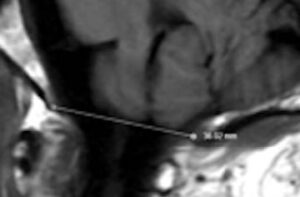
Multiple System Atrophy, Parkinsonian type (MSA-P) is a rare and aggressive neurodegenerative condition that affects motor control, balance, speech, and autonomic function. Current treatments are limited to symptom management, causing rapid decline of health and a severe impact on quality of life.
At Greenberg Regenerative Medicine, we recently treated a patient with advanced MSA-P who was also living with a stage 4 sacral ulcer. This case became a published study in the Journal of Stem Cell Research & Therapeutics, with the results illustrating meaningful recovery and healing.
Understanding the Patient’s Condition
Our patient had been suffering with MSA-P for three years before seeking recovery with GRM, his functional status deteriorating significantly. He was bed-bound, required assistance for all daily activities, and struggled with bradykinesia, weakness, impaired speech, and limited mobility. He also had a non-healing stage 4 sacral ulcer, which is a critical complication that often leads to infection and mortality.
The complexity of this case required an approach that targeted both neurological decline and the ulcer that put his life at risk.
How GRM Used VSELs and the SONG Laser
Our team found the optimal approach to healing by using Very Small Embryonic-Like (VSEL) stem cells combined with the SONG laser. This method activates the patient’s autologous VSELs, delivered 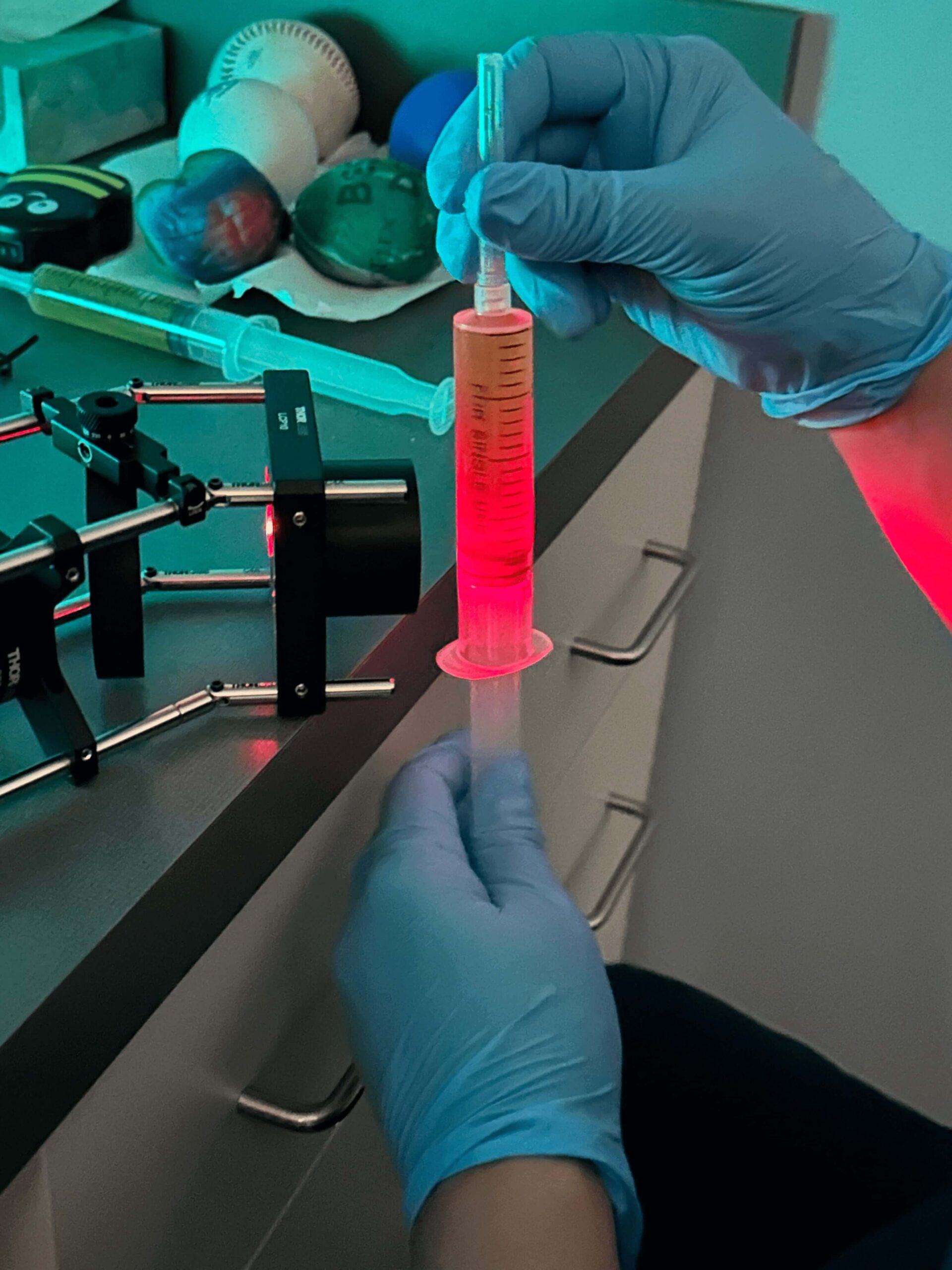 intravenously across three sessions, using a modulated red laser. During each visit, the SONG laser was also applied transcranially to direct activated VSELs toward the midbrain and basal ganglia to help improve motor function.
In addition to the neurological treatment, the sacral ulcer was addressed through a second protocol. Standard PRP clots were placed directly into the wound, and SONG laser-activated VSELs in PRP were injected around the outer edges of the ulcer. This combination stimulated rapid tissue regeneration in an area where healing had previously stalled.
Neurological and Physical Improvements
Following treatment, the patient experienced measurable improvements. Strength increased in both of his upper and lower extremities. Reaction time improved and bradykinesia decreased. He regained the ability to stand with minimal assistance for more than 35 minutes. His ability to communicate through pointing and vocalizing improved. He even regained enough control to use a recumbent stationary bicycle, which had not been possible prior to treatment.
The functional progress continued to build over several months. These sustained gains suggest that activated VSELs may help stabilize and repair neuronal pathways while replenishing the stem cells within the brain.
Healing a Stage 4 Sacral Ulcer
The healing of the sacral ulcer represented one of the most striking results. Stage 4 ulcers rarely heal without extensive intervention, particularly in patients with severe neurological disease. After receiving PRP and VSEL therapy, the ulcer closed within ten weeks and presented with only minimal residual granulation tissue. This outcome indicates a potentially valuable regenerative option for advanced wound care.
Why This Case Matters for the Future of MSA
MSA-P is known for its rapid progression and poor prognosis. This patient’s improvement and extended stability, however, show that regenerative medicine may offer a new opportunity for those facing similar diagnoses.
More research and controlled clinical trials are needed to study safety and efficacy of this treatment on a larger scale. Still, this case provides early evidence that VSEL therapy combined with the SONG laser may slow symptom progression, restore function, and improve quality of life.
This case represents an encouraging step forward in the treatment of MSA-P and other complex neurological disorders. By combining innovative stem cell activation with targeted photobiomodulation, GRM continues to explore new possibilities for patients who have historically had very few options.